

About
Lamiya is an graduate student pursuing her studies in Electrical and Electronic Engineering at University of Dhaka. She exhibits immense interest and dedication in delving into the field. Her research interests revolve around Nanotechnology, Environmental Engineering, Machine Learning, etc. She has already worked on developing fast and cheap alternatives to existing Micro-plastic Detection Techniques. She is currently working on the use of Nanomaterial-based Extraction Methods alongside Microwave Sensing for Effective Micro-plastic Pollution Detection using Fluorescence Microscopy and Hofmann-Type Metal–Organic Framework on Blue-Laser-Induced Graphene for Flexible Room-Temperature NH3 Sensing under the supervision of Dr. Ahsan Habib. In addition, she has been serving as the Chair of the IEEE Photonics Society Student Branch Chapter at the University of Dhaka since April 2026.
Project highlights
-
NANOBOT: Microplastic Extraction & Detection

Skills
1. Programming (C++, Python)
2. 2D CAD Drawing (Autocad)
3. VLSI Designing (Cadence Virtuoso)
4. Pspice
4. MATLAB
5. Machine Learning
6. Origin
7. Nanotechnology
8. FESEM
Projects
AI-Powered Magnetic Microplastic Remediation Combining Nanomaterials, AI & Microscopy for Sustainable Pollution Solutions
Deep-learning enabled rapid and low-cost detection of microplastics in consumer products following on-site extraction and image processing
- Hofmann-Type Metal–Organic Framework on Blue-Laser-Induced Graphene for Flexible Room-Temperature NH3 Sensing
Honors and Awards
1. Awarded Second Runner-Up in the Digital Display category at the BEAR Summit and Bangladesh National Semiconductor Symposium 2025, based on public voting.
2. 𝗧𝗼𝗽 𝟱𝟬 in the 𝗜𝗱𝗲𝗮 𝗖𝗼𝗺𝗽𝗲𝘁𝗶𝘁𝗶𝗼𝗻 𝟮𝟬𝟮𝟲, organized by the 𝗜𝗖𝗘 𝗖𝗲𝗻𝘁𝗲𝗿, 𝗨𝗻𝗶𝘃𝗲𝗿𝘀𝗶𝘁𝘆 𝗼𝗳 𝗗𝗵𝗮𝗸𝗮, under the Entrepreneurship Development Program in partnership with the 𝗨𝗻𝗶𝘃𝗲𝗿𝘀𝗶𝘁𝘆 𝗚𝗿𝗮𝗻𝘁𝘀 𝗖𝗼𝗺𝗺𝗶𝘀𝘀𝗶𝗼𝗻 𝗼𝗳 𝗕𝗮𝗻𝗴𝗹𝗮𝗱𝗲𝘀𝗵 (𝗨𝗚𝗖) and 𝗠𝗶𝗻𝗶𝘀𝘁𝗿𝘆 𝗼𝗳 𝗘𝗱𝘂𝗰𝗮𝘁𝗶𝗼𝗻 (𝗠𝗼𝗘), and with kind support from the 𝗞𝗼𝗿𝗲𝗮 𝗜𝗻𝘁𝗲𝗿𝗻𝗮𝘁𝗶𝗼𝗻𝗮𝗹 𝗖𝗼-𝗼𝗽𝗲𝗿𝗮𝘁𝗶𝗼𝗻 𝗔𝗴𝗲𝗻𝗰𝘆 (𝗞𝗢𝗜𝗖𝗔), 𝗕𝗮𝗻𝗴𝗹𝗮𝗱𝗲𝘀𝗵.
Volunteer Experience
1. Chair – IEEE Photonics Society SBC DU
Year: April 2026 – Present
2. Head Director – Silicon River Student Branch
Year: September 2026 – Present
3. BEAR Patron – Bangladesh National Semiconductor Symposium & BEAR Summit
Year: August 2025 – Present
4. Vice Chair – IEEE Photonics Society SBC DU
Year: April 2025 – April 2026
5. Assistant Programme Coordinator – IEEE Photonics Society SBC DU
Year: March 2024 – April 2025
Publications
-
Deep-learning enabled rapid and low-cost detection of microplastics in consumer products following on-site extraction and image processing. MZBZ Arju, NA Hridi, Lamiya Dewan, Suhaila; Md. Nurul Amin; Taslim Ur Rashid.Abul Kalam Azad;Sejuti Rahman, Mainul Hossain, Ahsan Habib. RSC Advances, DOI:10.1039/d4ra07991d
-
Magnetic Nanorobot-Assisted Fluorescence Sensing Platform for Microplastic Extraction and Quantification. Lamiya Dewan; Salman Abdullah Shovon; Md. Shadman Mostafa; Taslim Ur Rashid; Saeed Mahmud Ullah; Ahsan Habib. IEEE Sensors Council, DOI: 10.1109/JSEN.2026.3747911
Recent publications
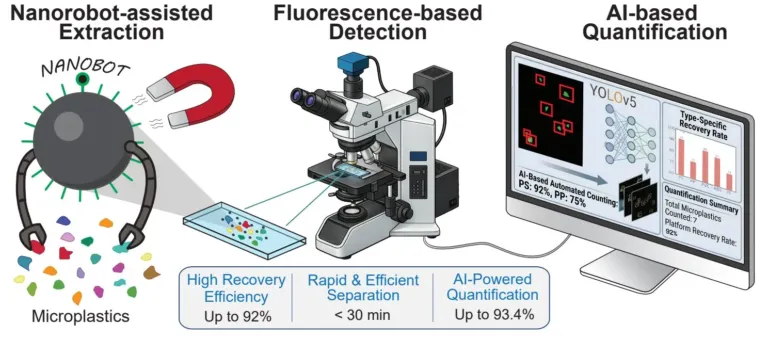
Magnetic Nanorobot-Assisted Fluorescence Sensing Platform for Microplastic Extraction and Quantification
Microplastic accumulation in water demands rapid and scalable extraction and detection methods. Conventional extraction approaches, such as density separation and oil-based extraction, are limited by long processing times, hazardous reagents, and poor…
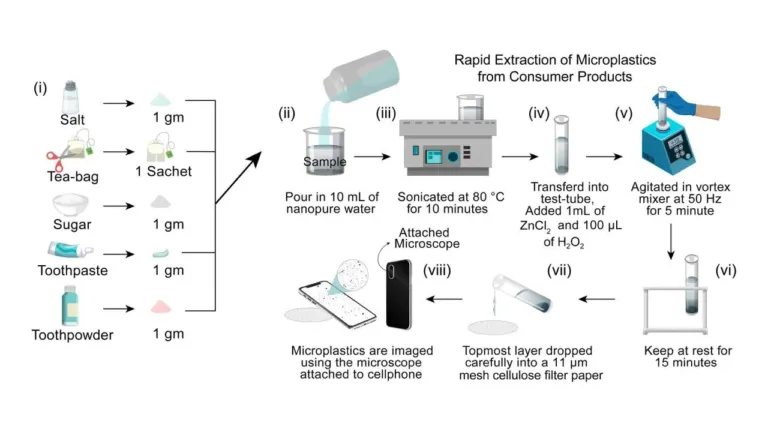
Deep-learning enabled rapid and low-cost detection of microplastics in consumer products following on-site extraction and image processing
Microplastic (MP) contamination has become a major concern in recent times, posing a significant threat to the environment and human health. Existing techniques for MP detection require access to expensive and specialized…
Research
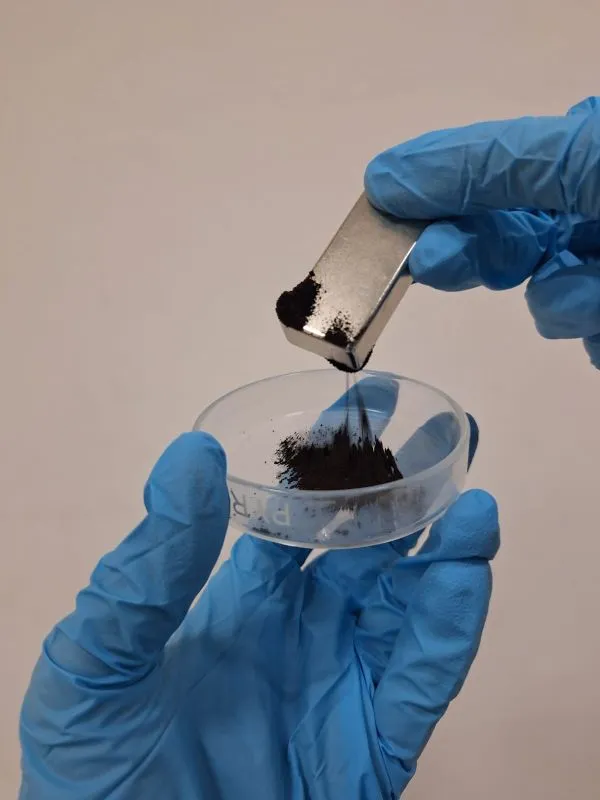
AI-Powered Magnetic Microplastics Remediation Combining Nano-materials, AI & Microscopy for Sustainable Pollution Solutions
The increasing accumulation of Microplastics in the environment has created an urgent need for efficient and scalable removal technologies. While conventional methods such as Density Separation and Oil-based Extraction are effective for…