Category
Category: News
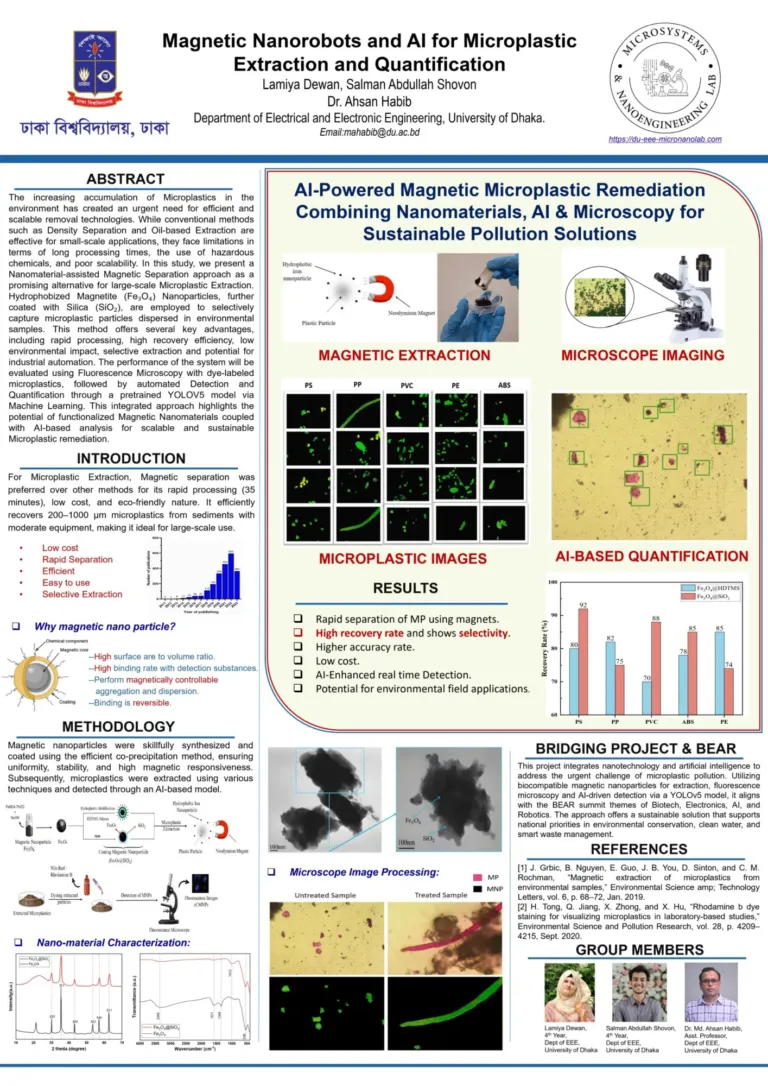
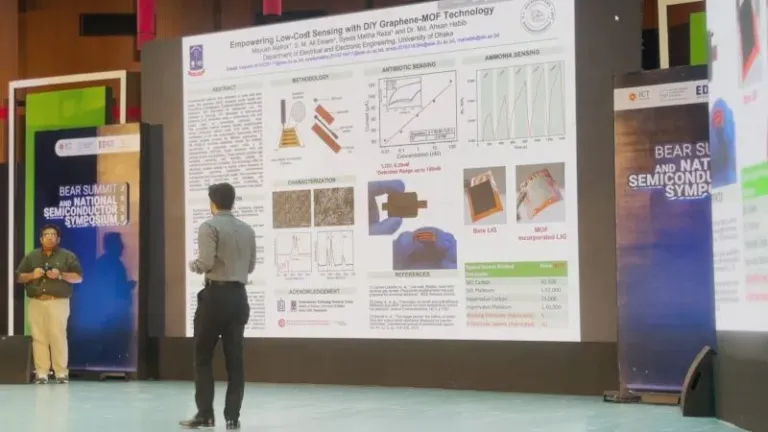
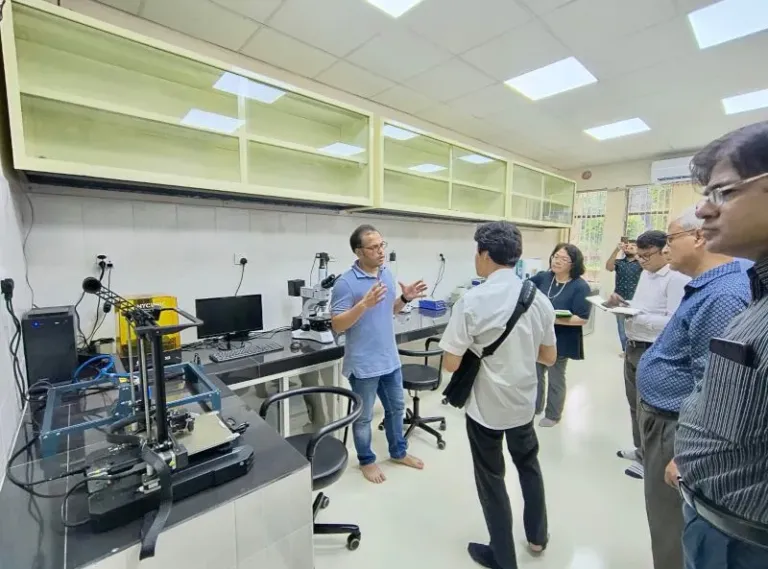
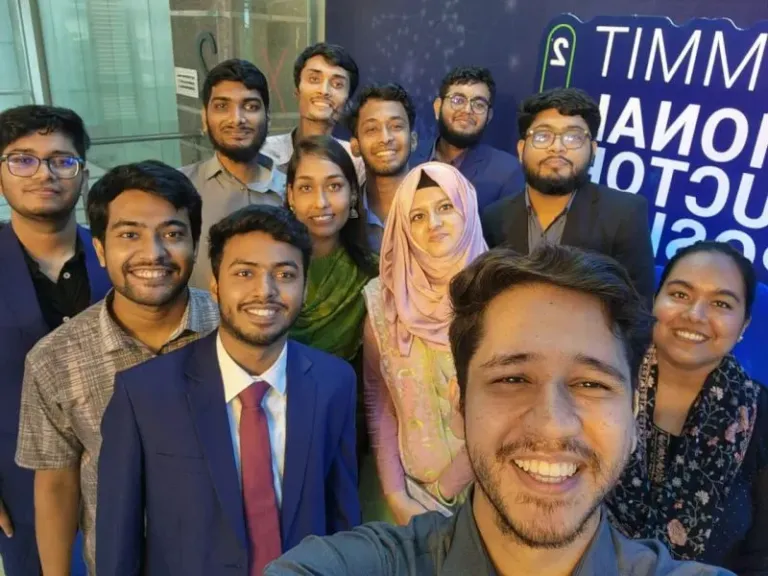
DU Microsystems Lab Featured at BEAR Summit and National Semiconductor Symposium 2025
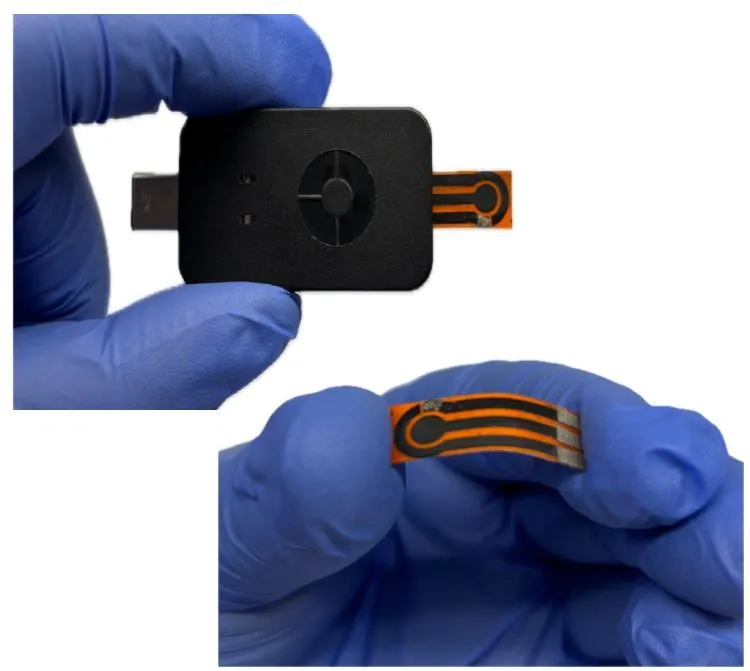
We are pleased to announce that several groundbreaking research projects from the Microsystems and Nanoengineering Lab at the University of Dhaka have been officially selected for digital display at the BEAR Summit…
We are excited to announce the launch of our official YouTube channel, Microsystems And Nanoengineering Lab, DU, showcasing cutting-edge research in micro and nanotechnology
Follow us at: youtube.com/@dueeemicronanolab
Excited to share that our recent article “Leveraging Generative Neural Networks for Accurate, Diverse, and Robust Nanoparticle Design” has been selected for a Royal Society of Chemistry cross-journal collection on Light–(Nano)Matter Interactions, aligned with the inaugural Light-nanoMatter Interaction Summer School!
It’s an honor to have our work featured alongside leading researchers in this exciting and rapidly evolving field. The full collection is open access until July 16, 2025 — feel free to…
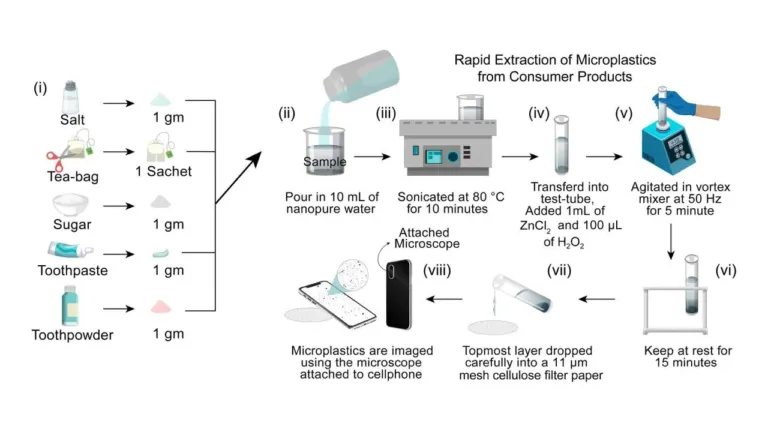
Our latest research, titled Deep-Learning Enabled Rapid and Low-Cost Detection of Microplastics in Consumer Products Following On-Site Extraction and Image Processing, has just been published in RSC Advances! Congratulations, Zayed & Nafisa!
Read More: https://du-eee-micronanolab.com/deep-learning-enabled-rapid-and-low-cost-detection-of-microplastics-in-consumer-products-following-on-site-extraction-and-image-processing
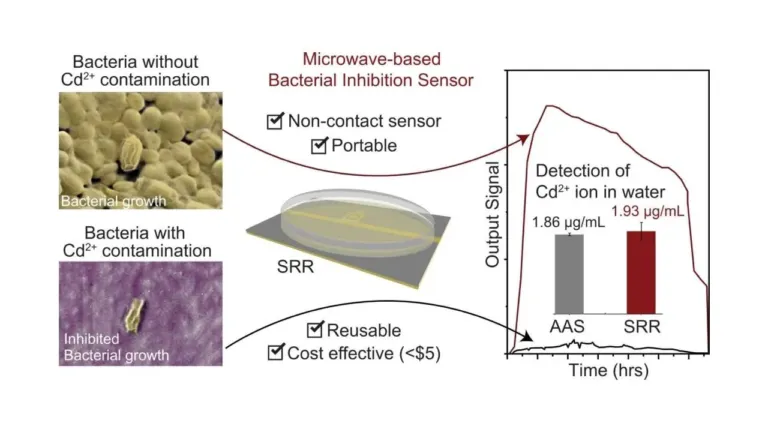
Congratulations to Nishat for her recent publication titled ‘Microwave-based sensor for cadmium detection utilizing bacterial inhibition: A step toward non-contact heavy metal detection.’
Read More: Microwave-based sensor for cadmium detection utilizing bacterial inhibition: A step toward non-contact heavy metal detection
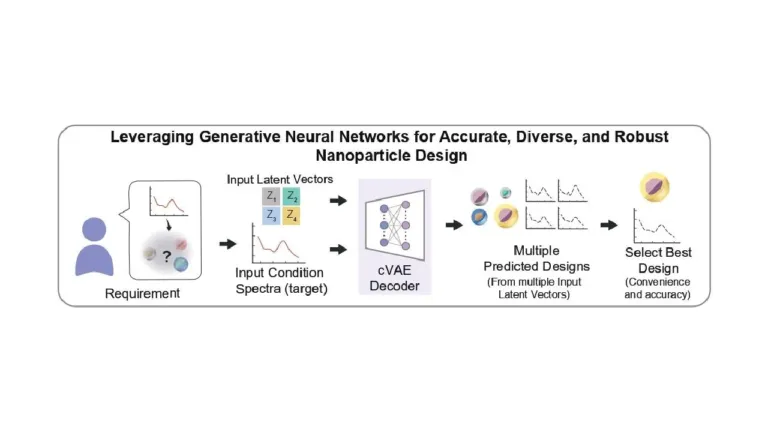
Congratulations to Ahnaf and Tanzim for their recent publication titled ‘Leveraging generative neural networks for accurate, diverse, and robust nanoparticle design.’
Read more:Leveraging generative neural networks for accurate, diverse, and robust nanoparticle design